 01
01Water Extraction
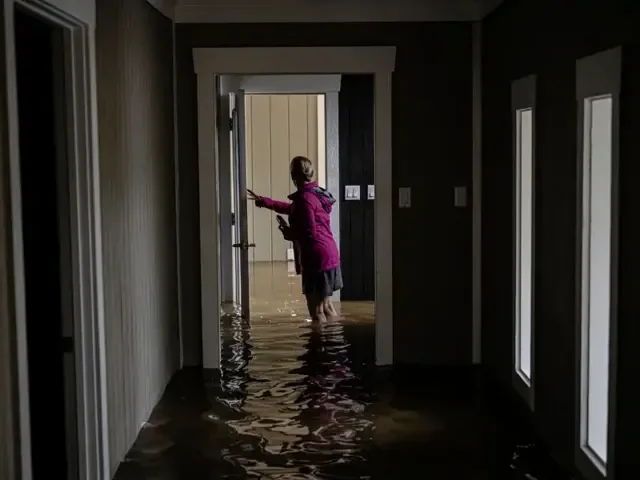
Pumps and extraction tools remove standing water before the drying team evaluates wet flooring and wall edges.
Remove the standing waterWater keeps moving after the visible puddle stops growing. The restoration team locates trapped moisture, extracts standing water and tracks the dry-out from the first reading to the final material check.
(888) 373-8814Get wet materials assessedA safe shutoff limits the source. Extraction and structural drying address the water already inside the building.
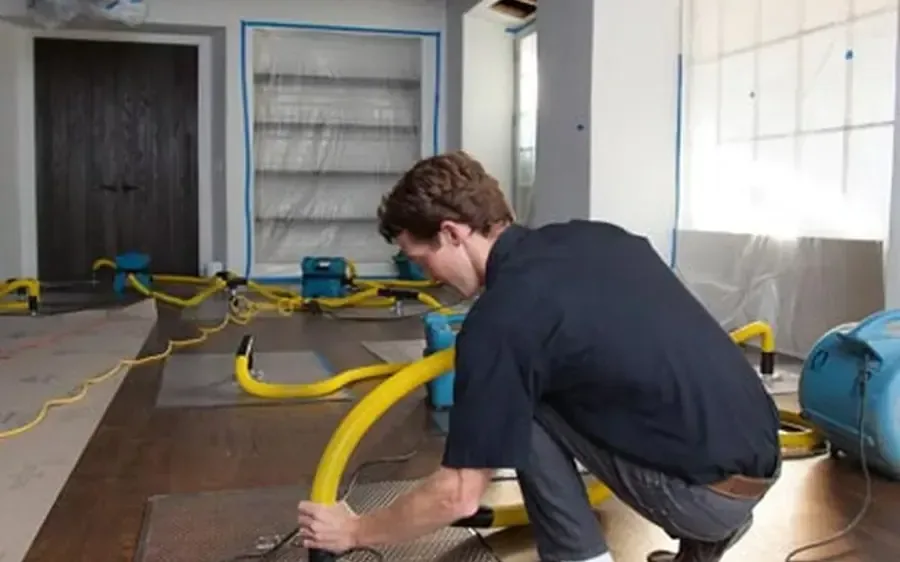
In Forest Grove, a rented home and an owner-occupied property can face the same hidden damage. The response team identifies who authorizes access, then builds the scope around wet materials.
The inspection distinguishes a leaking fixture from water that has traveled through another room or floor.
The drying team compares affected wood and drywall with suitable dry references, instead of treating every meter number as equivalent.
Dated photographs and repeat readings show what changed between extraction, controlled removal and the end of drying.
The scope separates emergency mitigation from plumbing repair and replacement finishes, so the next trade can see what remains.
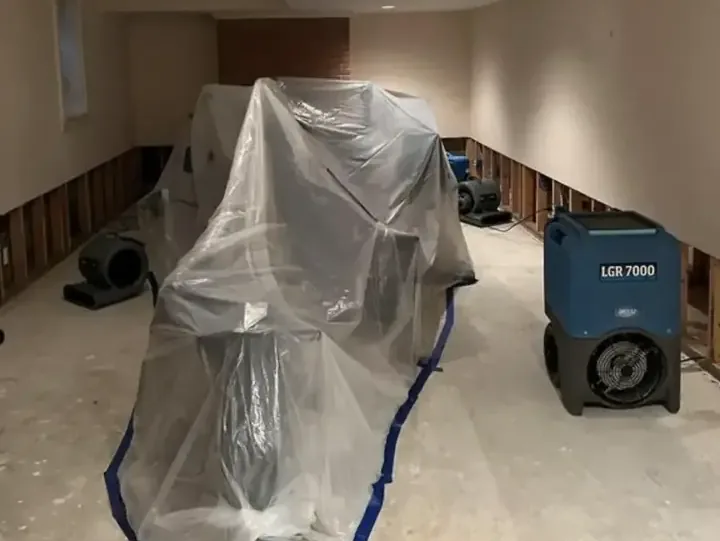
A ceiling stain, contaminated backup and wet concrete need different decisions. Select the visible problem to see the safety steps, material choices and typical scope.
01Pumps and extraction tools remove standing water before the drying team evaluates wet flooring and wall edges.
Remove the standing water 02
02Moisture below a finished floor needs supply diagnosis and a drying plan that reaches the concrete and adjacent materials.
Investigate moisture below flooring 03
03Category 3 cleanup separates contaminated rooms, removes affected porous materials and cleans exposed surfaces before drying.
Understand contaminated removal 04
04A stopped supply leak can leave hidden water inside partition walls, ceiling cavities and the floor below.
Trace the escaped supply water 05
05Outdoor water entering a building requires contamination assessment, controlled removal and attention to concealed deposits.
Assess outdoor water indoors 06
06Attic moisture, wet insulation and rain-stained ceilings require source control above and careful access below.
Follow the attic leak path 07
07The inspection follows water from the stain toward plumbing and adjacent rooms, with electrical and collapse hazards first.
Check the cavity above the stain 08
08Water around a tank can travel beneath walls and storage areas even after the equipment stops leaking.
Dry beyond the tank footprint 09
09A failed hose or fitting can soak cabinet bases, underlayment and the floor beneath a washing machine.
Reach wet cabinet and floor layers 10
10Standing water below an accessible floor requires safe pumping, debris removal and moisture checks on nearby framing.
Inspect the space below the floor 11
11Airflow and dehumidification work together while recorded readings show whether concealed assemblies are approaching their drying goals.
Track progress through material readings 12
12The drying plan separates affected work areas, protects access and records material damage for the person authorizing restoration.
Organize the affected business spaceTypical mitigation ranges from $500 to $3,000 for contained extraction, while multi-room drying or contaminated removal can reach $3,000 to $10,000 or more. Category, affected area, material class and the delay before drying drive the scope.
These figures describe typical work, not a property-specific quote. The water damage cost calculator compares scope drivers; the inspection establishes the actual materials and access needs.
The restoration assessor starts with the source and the rooms it reached. A safe inspection follows moisture into floor edges, wall bases and adjoining spaces. The team records the starting condition, checks access and explains which materials need extraction, cleaning or removal before equipment placement.
A useful drying plan follows the wet materials through each layer of the room.
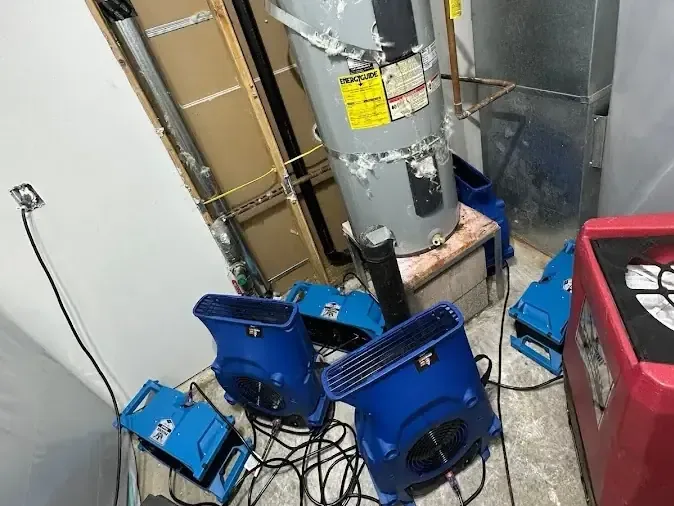
The extraction crew removes standing water, then the drying specialist sets airflow and dehumidification for the exposed assembly. Repeated measurements show whether the materials are responding. Photos and moisture logs preserve the work sequence for the owner, insurer and trades handling subsequent repairs.
Highway 47, Maple Street, Fern Hill Road
97116
Dispatch needs the property location, the apparent source and a safe route to the affected rooms. Availability and access determine the response arrangement.
Mention a locked utility room, tenant access requirements or water on another floor before the inspection begins.
See the area and town pagesThe drying team uses the IICRC S500 framework to assess water category, evaporation load and material response. Equipment placement follows the inspection, and final readings determine when the drying phase ends.
The assessor checks beyond the visible stain and records a dry reference for each relevant material type.
The extraction crew reduces liquid water before airflow tries to evaporate what remains in exposed materials.
Dehumidifiers remove moisture from the air while selected air movers support evaporation across the wet surfaces.
Repeat measurements show whether materials approach the drying goal or need a revised access and equipment plan.
The restoration record explains where the water went and what the mitigation work addressed. The adjuster evaluates policy terms separately from the drying plan.
Sudden and accidental plumbing damage, repeated seepage, sewer backup and outdoor flooding can fall under different policy provisions. The homeowner or tenant checks the applicable coverages with the insurer.
Documentation supports review without deciding coverage. Keep plumbing findings, equipment logs and invoices together, including any work completed before the mitigation inspection.
Fresh supply water may support drying in place when its condition and the materials allow. Time and contact can change that assessment.
See extraction choicesAppliance discharge can carry contaminants even when it looks clear. The cleanup plan considers the source, exposure and porous layers.
Check appliance damageSewage and contaminated outdoor flooding require controlled removal, protective equipment and cleaning before the structure can begin drying.
Review sewage cleanup
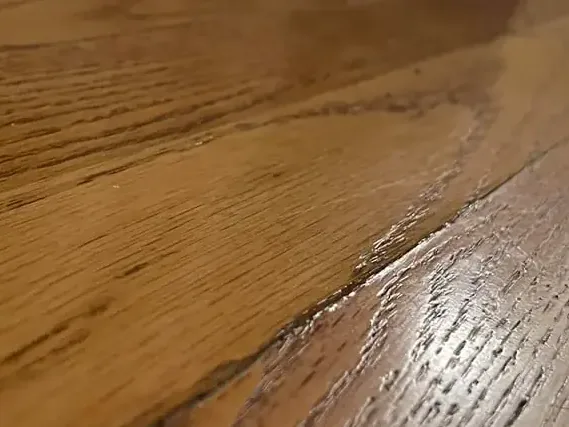
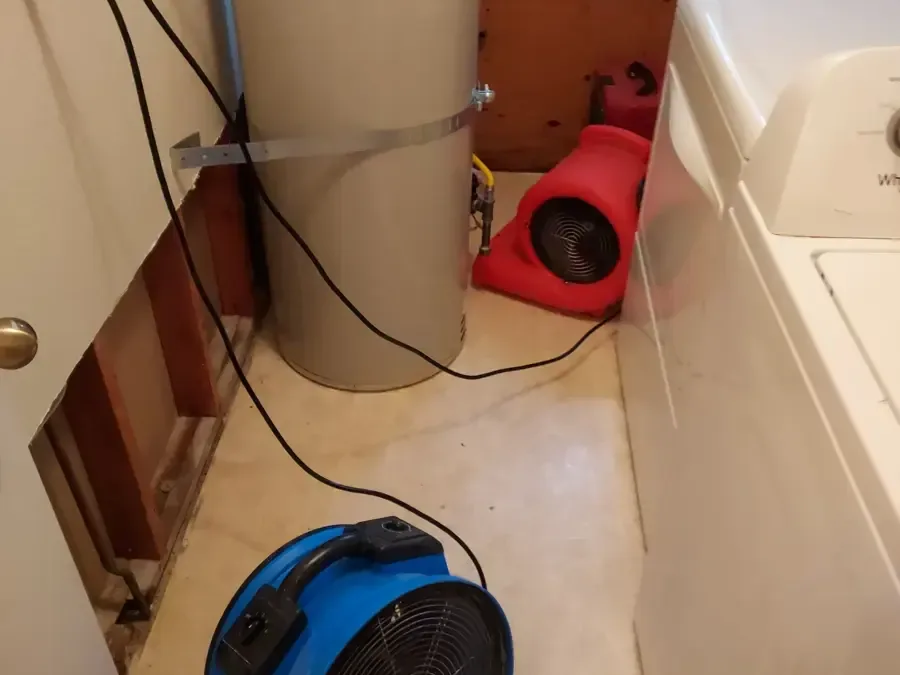

A damp floor needs a source check and a look beneath the finish. The assessor traces the water through affected materials, while the building owner supplies access and occupancy details.
The local housing stock includes both. Authorization, tenant belongings and access to neighboring rooms should be clear before removal begins.
The Star Theatre dates to 1912. The inspection checks pipe condition and hidden materials individually, accounting for later repairs and alterations.
An intact surface can conceal wet backing or underlayment. The inspection decides whether access is necessary before replacement work.
Outdoor entry, supply leakage and drain backups demand different containment choices even when each leaves a similar puddle.
For a property near Maple Street or Fern Hill Road, confirm the usable entrance and a dry equipment route before setup.
Local corridors: Near Highway 47, Maple Street or Fern Hill Road, the owner identifies the entrance and access restrictions so dispatch can plan the equipment route.
No. Extraction removes liquid water, but drywall edges, floor backing and framing may retain moisture. The drying team checks the surrounding assemblies and uses readings to decide whether equipment or controlled access is still needed.
The response team needs the apparent source, affected rooms and any immediate safety concern. Explain whether a supply shutoff has stopped the leak, whether sewage is present and who can authorize entry or removal.
A contained clean-water loss often needs several days, but layered flooring, dense wood and inaccessible cavities may take longer. The team checks material trends rather than promising a finish date from the appearance of the room.
Yes. A fresh supply release differs from sewage or outdoor floodwater. The assessor considers contamination, exposure time and the material itself before deciding what can be cleaned and dried and what requires controlled removal.
A sagging ceiling and wet fixtures create hazards that require a safe assessment first. The team locates water above the stain and identifies electrical concerns before planning access; residents should keep clear of the affected room.
It provides a framework for assessing a water loss, controlling moisture and documenting restoration decisions. The drying contractor applies that framework to actual material readings, water category and the conditions observed inside the property.
No. The report records observed damage and mitigation work. The insurer applies the policy terms. Sudden plumbing releases, recurring leakage, sewer backup and outside flooding can require different coverage questions and supporting records.
Tenants should notify the owner or manager and preserve safe photographs of the affected rooms. The inspection needs clear authority for access and material removal, particularly when water travels beyond the occupied unit.
The exposed surface can lose moisture faster than the layer beneath it. The drying team compares appropriate dry references and checks the assembly, so replacement flooring does not trap a problem below an apparently dry finish.
The response team assesses access, extracts the water and records the drying progress. Emergency dispatch remains available 24/7.
(888) 373-8814Arrange a moisture assessment